
Oxfordshire Artweeks: Open Workshop Weekend 2026
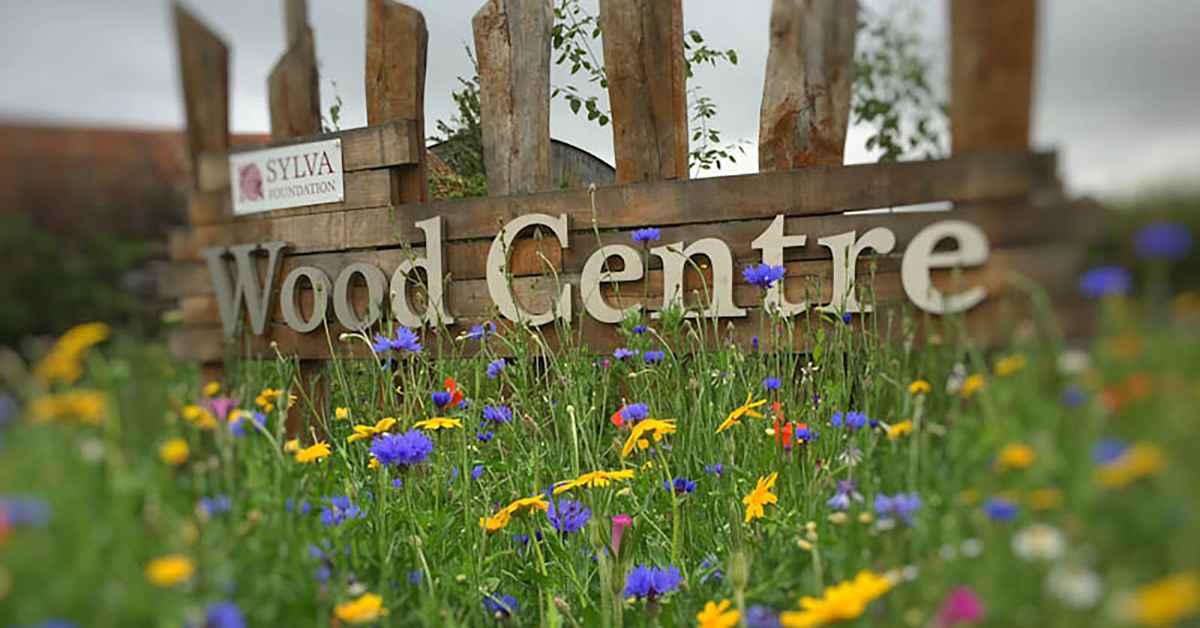
Last weekend I opened my workshop as part of Oxfordshire Artweeks for the annual Open Workshop Weekend. This has been the fourth time in a row now! And alongside me, around fourteen other makers and businesses based at the Sylva Wood Foundation in Little Wittenham opened their doors too.
It was an incredibly busy weekend, with hundreds of people visiting the workshops. Across the site there was plenty to discover - from live woodturning demonstrations and traditional joinery techniques, to tool sharpening and maintenance, plus (of course) all the fantastic furniture that has been on display by everyone.
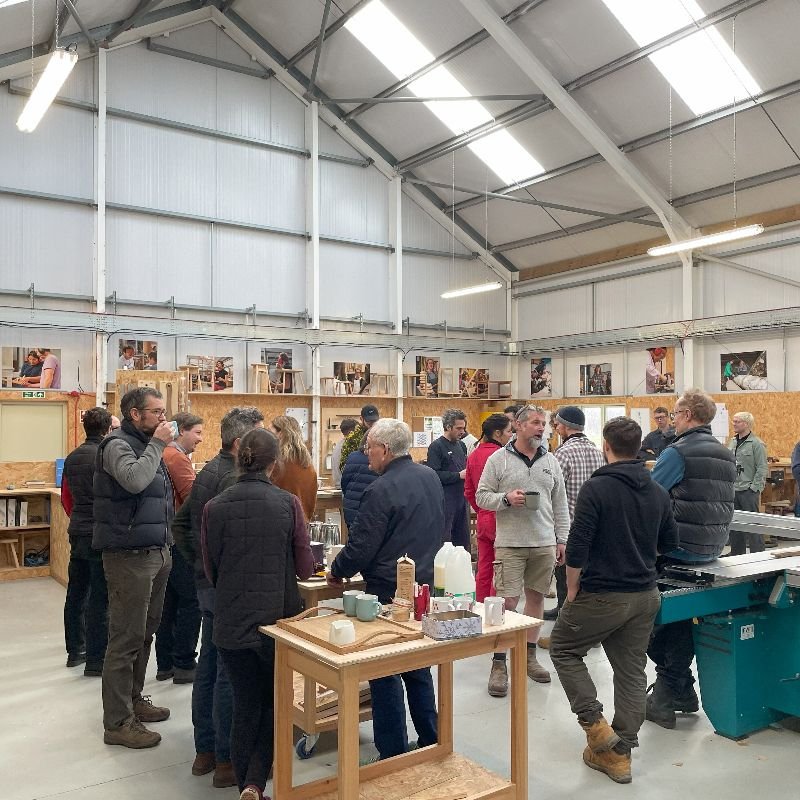
Where I’m based.
Firstly, to set the scene, I should mention a little about the unusual place where I have my workshop. My studio is based at the Sylva Wood Foundation, a unique centre dedicated to promoting the understanding, appreciation and sustainable use of home-grown timber. Set amongst the beautiful Oxfordshire countryside, the site brings together furniture makers, timber specialists and forestry experts who all share a passion for working with wood in a responsible manner.
The foundation was established by Dr. Gabriel Hemery, whose vision was to create a place where woodland research, education and craftsmanship could come together. More or less, all under one roof. Alongside the foundation is the Sylva Wood School, which has become widely respected for teaching furniture making with a strong emphasis on the use of British timber. On top of that they are helping to diversify a very male-dominated field such as furniture making with the funding of the National Lottery.
And then there is us - the workshops!
Wood in Action
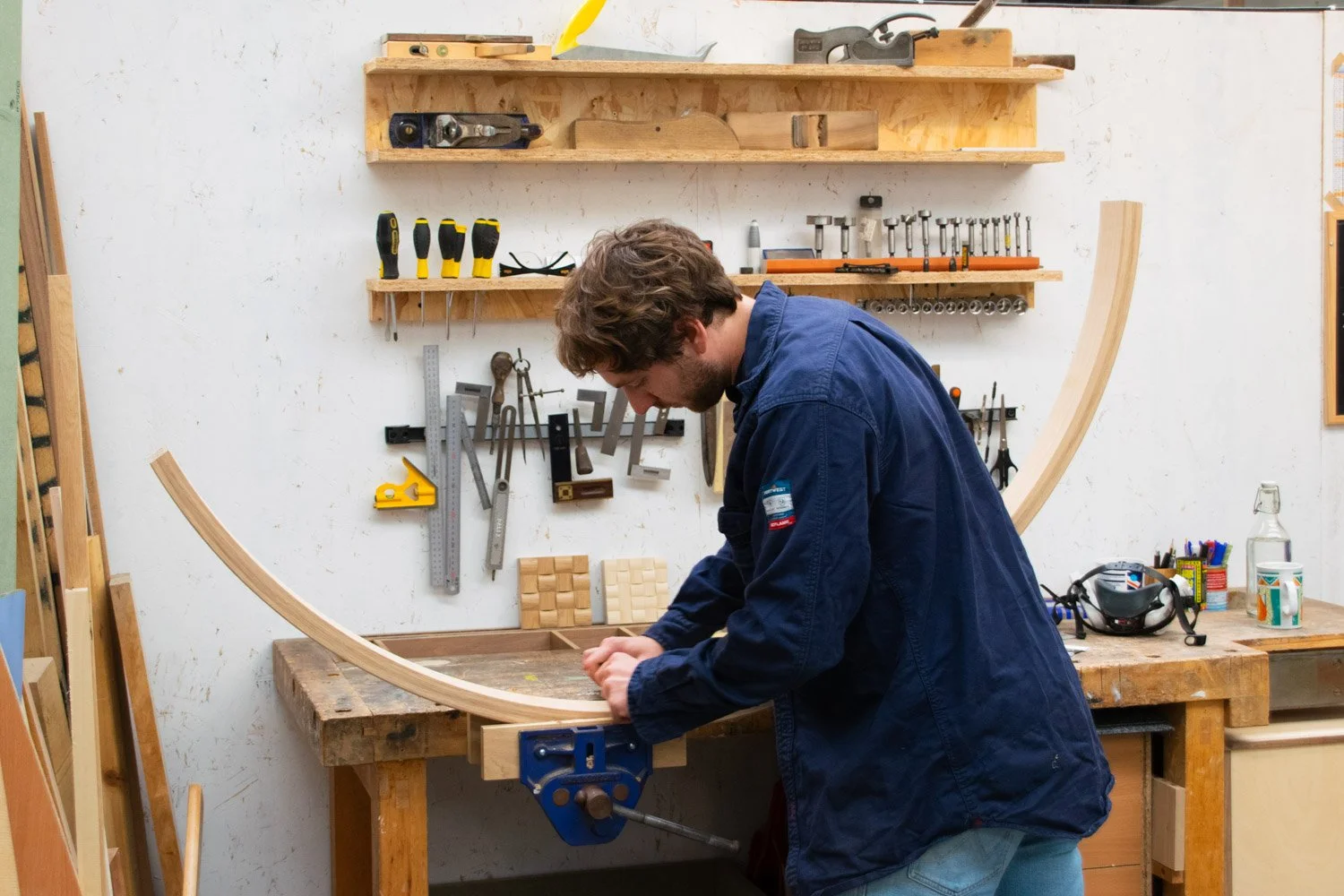
This year there were several live demonstrations visitors could watch. It is always rewarding to show people how things are made and explain more about the techniques and tools I use to create pieces for commissions.
Understanding the process behind a piece of furniture often helps people appreciate the level of thought, time and skill involved - whether that is the craftsmanship that goes into a solid wood table or the subtle details that elevate bespoke cabinetry.
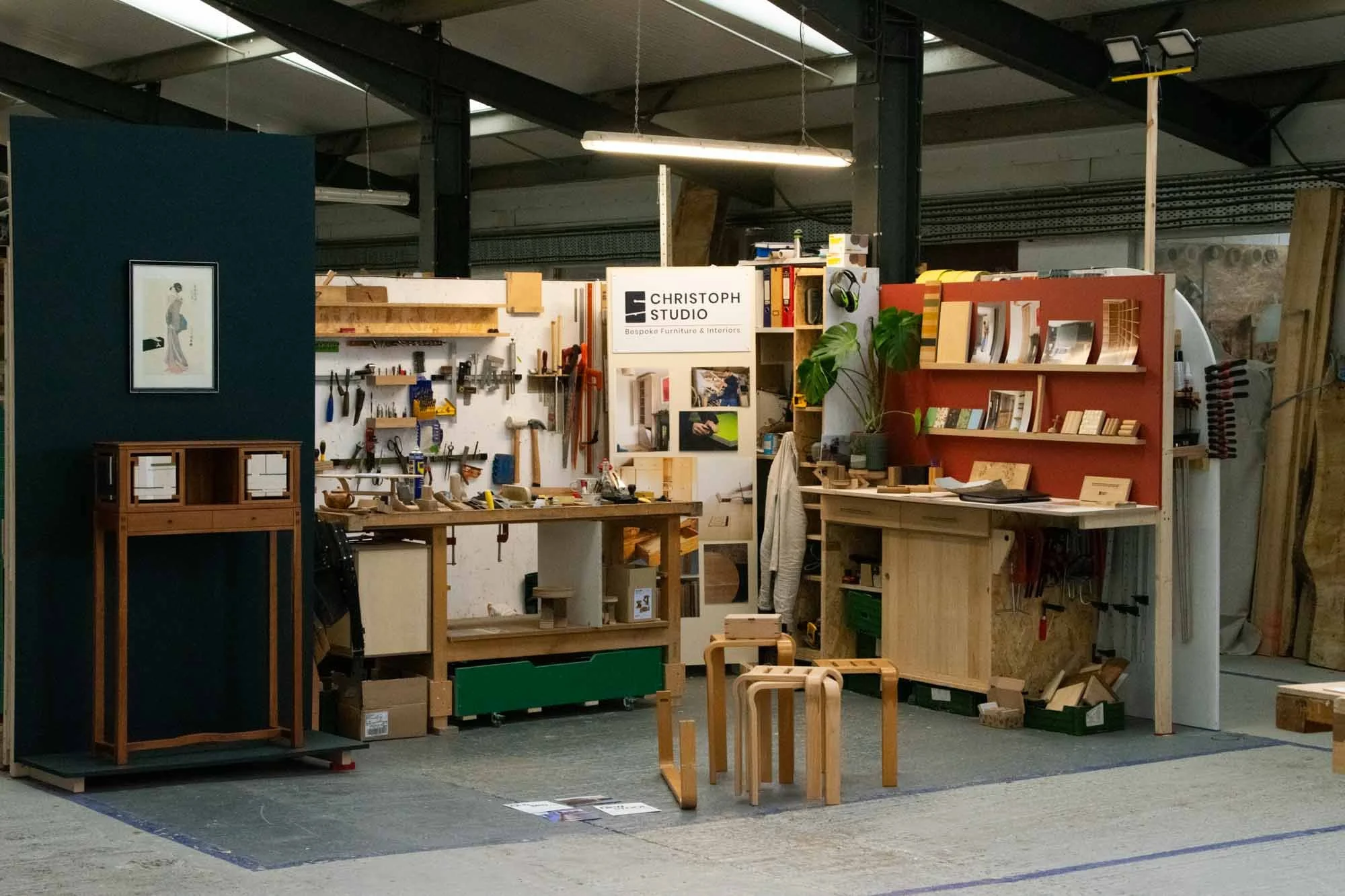
As most of my work is made to commission and usually leaves the workshop shortly after completion, I chose to display two projects that represent different aspects of my practice particularly well: the CLIVE stools and a tall display cabinet in American cherry.
The CLIVE stools are made from reused student bed legs. They explore the potential of thoughtful upcycling and demonstrate how discarded materials can be transformed into beautifully crafted furniture with a new purpose and identity.
Alongside them stood a bespoke display cabinet made from solid American Cherry. The piece featured twin mortice and tenon joinery, dovetailed drawers and a rich reddish tone that will continue to deepen beautifully over time.
The Stories Behind the Work
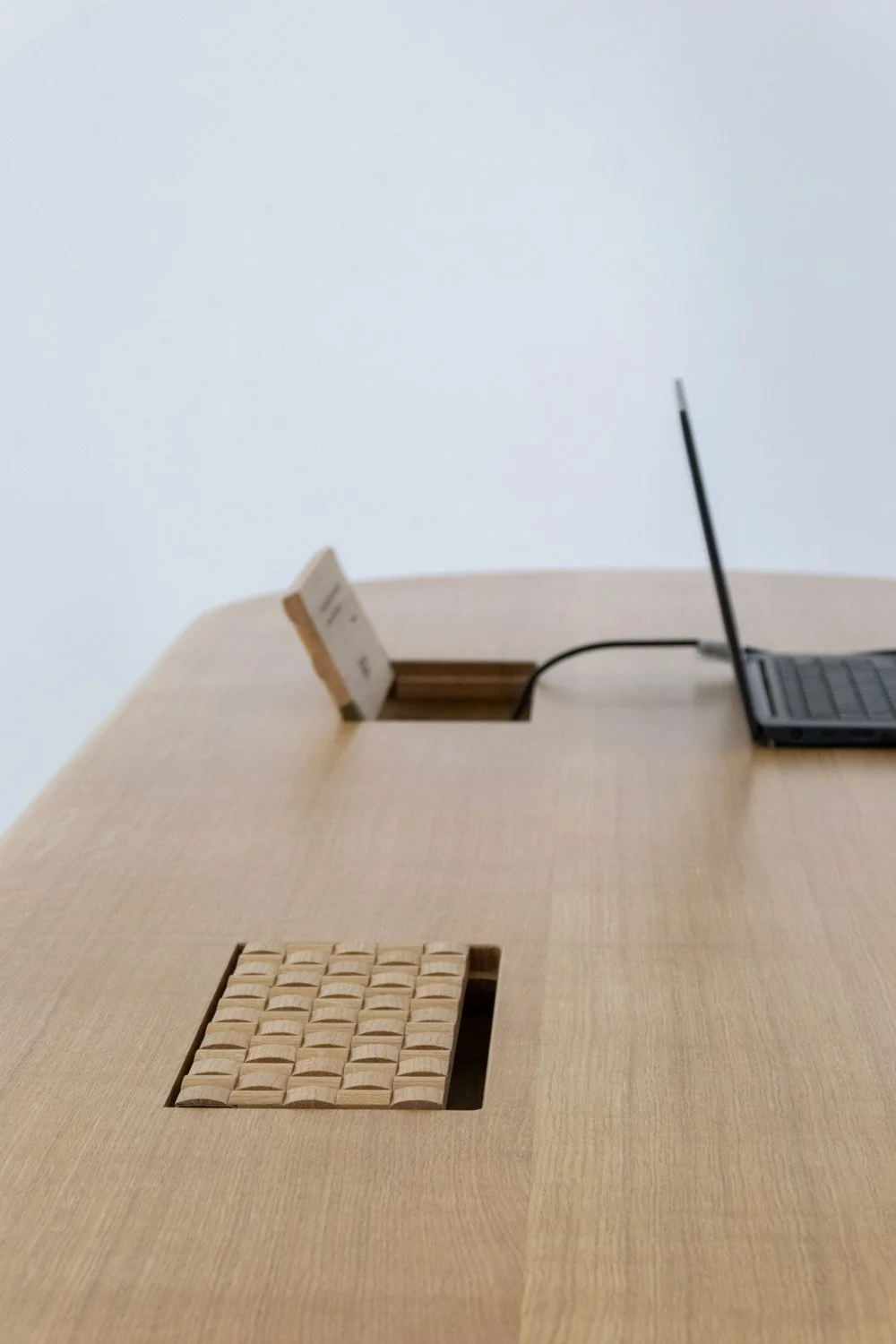
Events like this create a rare opportunity to speak in more detail about the projects currently passing through the workshop - discussing not only how pieces are made, but also why particular design decisions were chosen and how challenges are resolved along the way.
One project visitors were especially interested in was the table designed for the Museum of English Rural Life. The table includes an arched stretcher to make it comfortable and accessible for wheelchair users, while ‘woven’ panels integrated into the tabletop were inspired by objects from the museum’s collection. The entire table was crafted from a single tree sourced from the Yattendon Estate near the museum itself, giving the piece a particularly strong connection to place and material.
Ideas Turned Into Objects
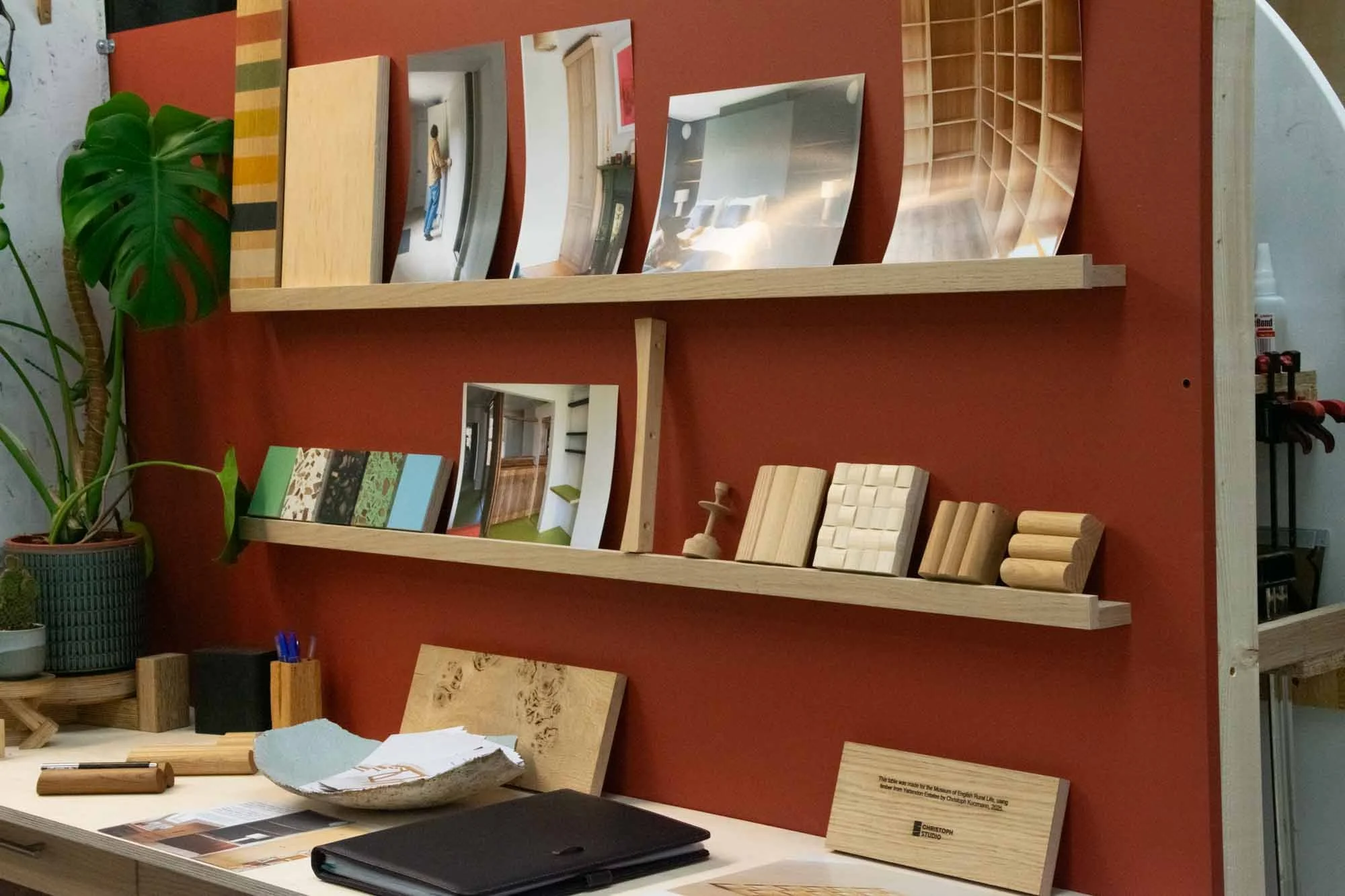
This year’s workshop also included a collection of samples and prototypes from previous projects. These ranged from wood finishes - showing the variety of tones and textures that can be achieved - to experimental surface details developed for earlier commissions.
Often these samples become the starting point for entirely new ideas. A texture created for one project may later evolve into a detail for another; a finish tested years ago may suddenly feel right for a future piece. Allowing space for experimentation and keeping the outcomes is an important part of my practice, and it frequently leads to the most original and rewarding designs.
“Creativity takes courage.” — Henri Matisse
If You Missed the Open Workshop Weekend
If you weren’t able to visit during the Open Workshop Weekend, or are simply curious to see the workshop, you are always welcome to get in touch and arrange a visit at another time.
There is absolutely no pressure to commission anything — I am always happy to show people around the workshop, discuss ideas and share more about the making process.